





perfect trip!
What to Pack for a Self-Guided
Cycling Tour in Italy
Packing for a cycling holiday requires a slightly different approach compared to packing for a regular trip. When you spend several hours a day on the bike, comfort, practicality and lightweight gear become essential. This guide is perfect if you're wondering what to pack for a self-guided cycling tour in Italy.
One of the advantages of a self-guided cycling tour in Italy is that you don’t have to carry all your luggage while riding. Your main bag is transferred from one hotel to the next, so you only cycle with the essentials for the day. This makes travelling by bike much easier, especially on multi-day itineraries.
Still, packing the right equipment will make a big difference in how comfortable and enjoyable your trip will be. The goal is to bring everything you need for cycling, relaxation, and small unexpected situations—without overpacking. These tips are especially useful for travellers researching what to pack for a self-guided cycling tour in Italy.
Below you’ll find a practical guide to what to bring on your self-guided bike tour in Italy.
Essential Cycling Gear
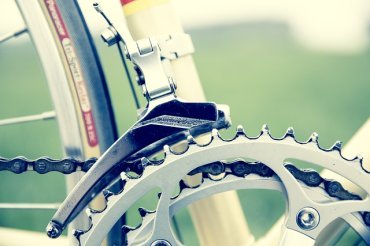
Regardless of the distance or difficulty of your cycling holiday, some items are essential for safety, comfort, and practicality during daily rides. Having the right equipment is key when deciding what to pack for a self-guided cycling tour in Italy.
If you rent a bike through Italian Bike Tours, the bike comes fully equipped and ready for the tour. Our bike rental also includes a helmet, so most travellers don’t need to bring one unless they prefer their own for comfort or fit.
Key items to consider include:
- Helmet – Provided with our rental bikes, but you can bring your own if you prefer a specific model or fit.
- Small day bag or pannier – Useful for carrying daily essentials like water, snacks, sunscreen, and a light jacket.
- Phone with GPS navigation – Most self-guided cycling tours rely on GPS tracks or navigation apps.
- Handlebar phone holder – Makes it easier to follow the route without constantly stopping.
- Bike lock – Useful when stopping for lunch or exploring towns along the route.
- Front and rear lights – Particularly helpful if you ride early in the morning or later in the evening.
These small pieces of equipment help make the daily ride smoother and more convenient.
Cycling Clothing: Comfort on the Bike
Clothing plays a major role in how comfortable you feel during a multi-day cycling trip. You don’t need professional racing gear, but choosing the right clothing can make long rides significantly more enjoyable.
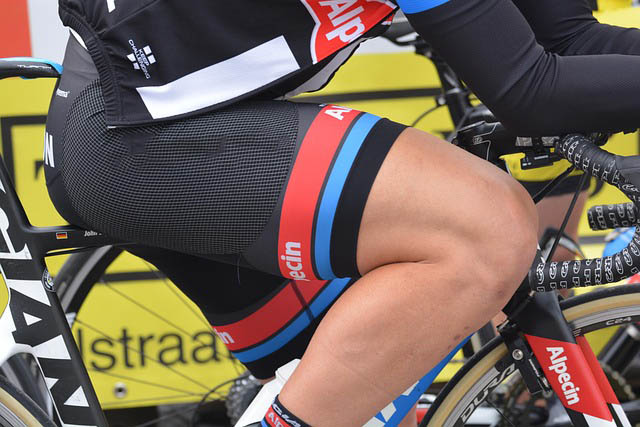
The most important item is usually padded cycling shorts. Spending several hours in the saddle each day can cause discomfort, and padded shorts help reduce pressure and friction.
A practical cycling clothing list includes:
- Padded cycling shorts or bib shorts – One of the most important items for long rides. Bringing two pairs allows you to wash one in the evening.
- Cycling jerseys or technical sports shirts – Breathable fabrics help regulate temperature and dry quickly. Jerseys with back pockets are particularly practical.
- Cycling gloves – Improve grip on the handlebars and protect your hands during long rides.
- Cycling sunglasses – Protect your eyes from sun, wind, insects and glare from the road.
- Cycling shoes or sturdy sport shoes – Clip-in cycling shoes can improve pedalling efficiency, but comfortable flat-pedal shoes work well for many tours.
These items are designed to keep you comfortable throughout the day, especially when riding for several hours.
Clothing for Changing Weather
Weather in Italy can vary depending on the region, the season, and the elevation of your route. Even during warm months, mornings can be cool and mountain areas may feel much colder than valleys or coastal regions.
For this reason, layering is the best strategy. Instead of packing heavy clothing, it’s better to bring lightweight layers that you can easily add or remove during the ride.
Useful items to bring include:
- Lightweight waterproof jacket – Essential for unexpected rain or strong wind.
- Windproof jacket or vest – Very useful on descents or early morning rides.
- Arm warmers – Easy to remove and store in a jersey pocket when temperatures rise.
- Leg warmers – Particularly useful in spring, autumn, or when cycling in hilly areas.
- Light base layer – Helps regulate body temperature during longer rides.
- Buff or neck warmer – Protects against wind or sun and fits easily under a helmet.
These small items take very little space but can make a huge difference in comfort when the weather changes.
Casual Clothing for Evenings
A cycling holiday is not only about riding. At the end of the day, you’ll arrive at your accommodation, take a shower, and most likely explore the local town or enjoy dinner at a restaurant.
Cycling trips in Italy are usually informal, so there’s no need to pack elegant outfits. Comfortable and casual clothing is perfectly suitable.
A simple off-bike clothing list might include:
- Comfortable trousers or shorts
- T-shirts or casual shirts
- Underwear and socks
- Comfortable walking shoes or sandals
- Light sweater or jacket for cooler evenings
Since your luggage is transferred between hotels, you can bring a few extra items for comfort without worrying about carrying them on the bike.
What to Carry During the Ride
Even though your luggage is moved between hotels, you should carry a few essential items with you during each cycling stage.
These items are usually kept in a handlebar bag, pannier, or small backpack.
Daily riding essentials include:
- Water bottles – Staying hydrated is essential, especially during warm Italian summers.
- Snacks or energy bars – Useful between café or lunch stops.
- Phone with GPS navigation – For following the route.
- Credit card and some cash – Small villages may not always accept cards.
- Sunscreen and lip balm – Important for long hours in the sun.
- Basic first aid items – For small cuts, blisters, or minor discomfort.
- Light jacket or extra layer – Weather can change during the day.
These essentials ensure you stay comfortable and prepared throughout the ride.
Basic Bike Tools and Mechanical Kit
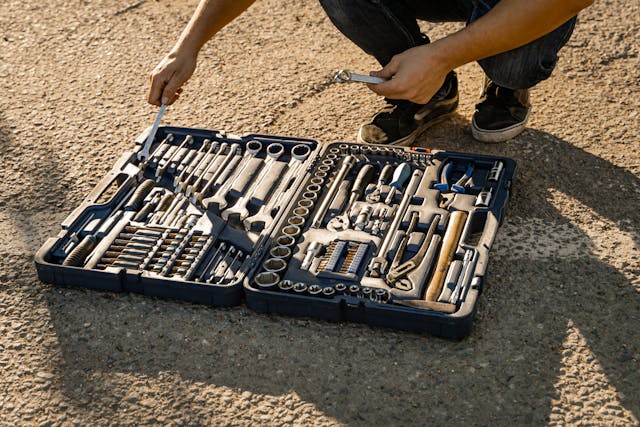
Small mechanical issues can occasionally happen during any cycling trip. For that reason, every cyclist should be prepared to handle very simple repairs.
When renting a bike through Italian Bike Tours, we provide a mini mechanical kit, so you don’t need to pack your own tools.
The kit typically includes:
- Spare inner tube
- Tire levers
- Mini pump
- Basic multi-tool
Even though the tools are provided, it’s important that cyclists have a basic understanding of how to use them. You don’t need advanced mechanical skills, but it’s useful to know how to:
- fix a flat tire
- put a slipped chain back on the bike
- use a mini pump
These simple skills can save time and help you continue your ride without unnecessary delays.
Useful Extras That Can Make the Trip Easier
Beyond the essentials, a few small items can make your cycling holiday more comfortable and convenient.
Helpful extras include:
- Portable phone charger or power bank – Useful if you rely on your phone for navigation.
- Travel-size laundry detergent – Allows you to wash cycling clothes in the evening.
- Laundry bag – Keeps used cycling clothes separate from clean items.
- Reusable water bottle
- Travel-size toiletries
- Camera or action camera – Italy offers endless photo opportunities.
Cycling clothing dries quickly, so washing it overnight often means you can reuse it the next day.
Smart Packing Tips for a Cycling Holiday
Packing well is not just about what you bring—it’s also about how you organize your gear. These strategies are especially helpful for anyone planning what to pack for a self-guided cycling tour in Italy.
A few simple strategies can make your trip much easier:
- Pack light – Even with luggage transfers, lighter bags are easier to manage.
- Choose quick-dry clothing – This allows you to wash and reuse items.
- Bring versatile clothing – Items that work both on and off the bike reduce the number of things you need.
- Use packing cubes or small bags – These help keep cycling gear organized and easy to find.
- Think about your daily routine – Pack based on what you’ll need in the morning, during the ride, and in the evening.
A well-organized bag makes the whole trip smoother and more enjoyable.
Ready for Your Cycling Adventure in Italy
Packing properly helps ensure that your cycling holiday is comfortable, safe, and stress-free. With this guide, you now know exactly what to pack for a self-guided cycling tour in Italy.
With the right cycling clothing, a few practical layers, and some everyday essentials, you’ll be ready to fully enjoy your self-guided cycling tour in Italy.
Once everything is packed, all that’s left to do is ride through beautiful landscapes, discover charming villages, and experience Italy at the perfect pace — by bike.





Tour types
Touroperating
S-Cape Countryside Travels srl
Borgo Allegri 16R
50122 Florence FI • Italy
VAT Nr. IT05227330486