





perfect trip!



Cycling in Sardinia: Along the Costa Verde


Bike Tour: Cycling in Sardinia: Along the Costa Verde - 8 days
When you first arrive in the Sardinian region of Sulcis-Iglesiente, you immediately understand why this area is known as the Costa Verde – the Green Coast. Cycling in Sardinia along this remote and dramatic coastline reveals a land shaped by centuries of history and marked by its mining heritage, which has left a powerful imprint on both the landscape and the local culture.
This part of Sardinia offers a fascinating contrast: abandoned mine structures standing silently over unspoilt beaches, Mediterranean scrubland, dunes, cliffs and wide open spaces. As you explore these routes, you quickly realise that cycling in Sardinia is not only about stunning nature – it is also about discovering a region with a deep story to tell, where every path, viewpoint and village reflects thousands of years of human presence.
From the ancient origins of mineral extraction – which began more than 8,000 years ago – to the modern sense of quiet isolation that defines the Costa Verde today, this area invites curiosity and rewards those who travel slowly. It is the perfect terrain for cyclists who want to experience Sardinia in its rawest, most authentic form.
Your trip starts in Cagliari, well known for the Castello, a fortified medieval hillside district located above the rest of the city. Architectural attractions include Cagliari's 13th-century Cathedral. Housed in a former arsenal, Cagliari's National Archaeological Museum exhibits bronze objects, Roman ceramics, and artifacts from the Nuragic age through the Byzantine era. If you are lucky, you can spot flamingos relaxing in the surrounding ponds.
After breakfast a private transfer will take you and your bikes to Nebida from where you will start your coastal daily cycle about 25 km to the port of Portovesme, where you take the ferry to the Island of San Pietro. When you dock at Carloforte harbour you soon start noticing the different accent the Carlofortini have: in fact they have Genoese roots and speak a different dialect from the rest of Sardinians. After a walk/ride in Carloforte you take another ferry, this time to Calasetta, on Sant’Antioco Island, home of some excellent wines.
Challenge: 37 km, 304 m ascent, 150 m descent
Today is full of options: it’s possible to ride your bike all around the island, stopping by various inlet for pic-nic, take a fishing boat excursion or have a horseback ride, or just relax at the beach.
Challenge: 42 km, 480 m ascent, 460 m descent
This morning your first stop is the village of Tratalias, with its romanic church dedicated to S. Maria di Montserrat. The ‘ghost’ village with just a few renovated stone houses will take you back to the enchanted atmosphere of the ancient Tatalia, once enclosed by three ‘Baroque’ arches (two are still intact), which may have been entrances to the citadel.
You then descend towards Porto Pino along a beautiful countryside and vineyards.
Challenge: 35 km, 220 m ascent, 310 m descent
Today is full of options: it’s possible to ride your bike inland, stopping by various villages for pic-nic, for example Sant’Anna Arresi, a lovely little town that features Nuraghe, called Arresi, right in the centre of the town between the two churches, the old and the new, dedicated to Sant’Anna – the town is named after the saint. After the ride just relax on the famous Porto Pino dunes beach, little coves with pink sand and crystalline waters.
Challenge: 24 km, 260 m ascent, 260 m descent
This morning your first stop is the village of Masinas, after a stop at the village of Santadi (home of a famous winery) you pass by the stunning caves Is Zuddas, worth a visit! A nice ride along a quiet road leads you to Teulada, last stop of today, famous for terracotta pipes and highly refined embroidery.
The last day is a must for cyclists! The Costa del Sud is an incessant repetition of ups and downs with breath-taking views of the coast and the sea, watchtowers and beautiful inlets; there are multiple occasions to stop and swim in the crystal-clear water! The last stop is Pula; just a couple of km out of town you can visit the archeological site of Nora, an important Fenician port where it is possible to admire some very well preserved Roman mosaics.
The trip and our services end after breakfast, unless you have booked a transfer to the airport or other supplementary services.
Nights in 3-star hotels and B&B with breakfast
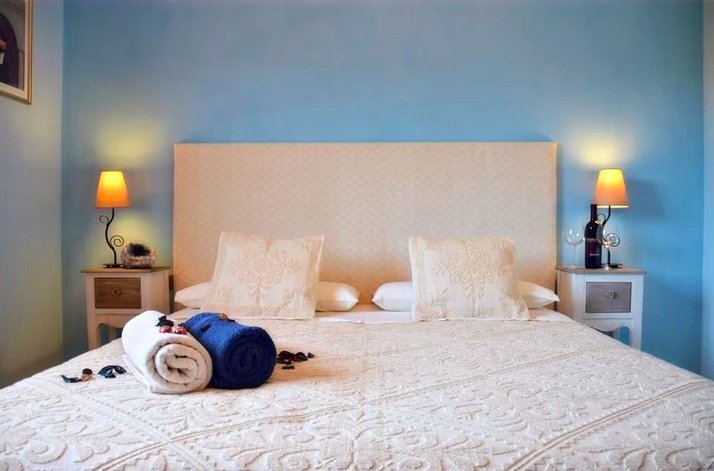
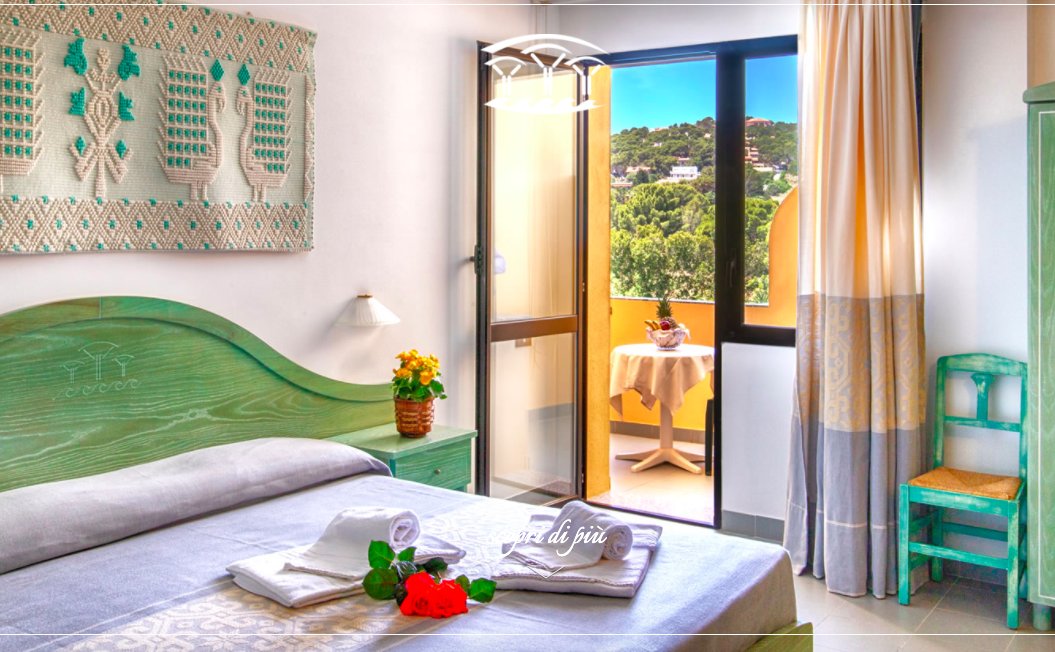
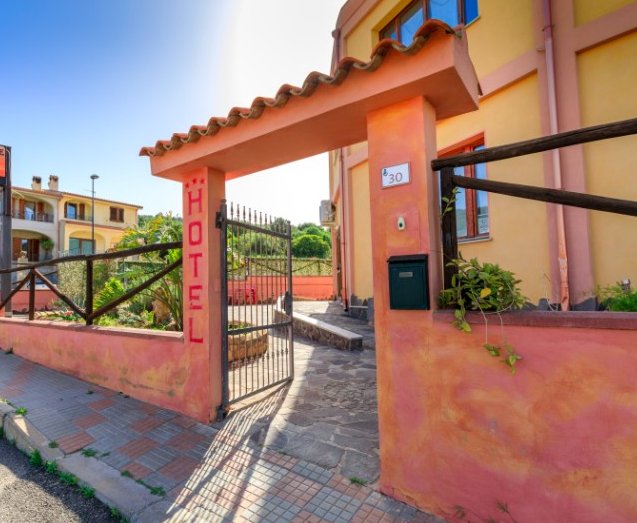
Available on request
Lights
Front and rear lights included
Locks
Padlock included
Pannier
1 rear bag and 1 phone holder (1 per booking)
Cube Touring Hybrid Pro 500
- Frame: Aluminium Superlite, Gravity Casting Technology, Efficient Comfort Geometry, Tapered Headtube, Full Integrated Battery, Integrated Carrier 2.0
- Gears: Shimano Deore RD-M5120-SGS, 10-Speed
- Motor: Bosch Drive Unit Performance Generation 3 (65Nm) Cruise (250Watt)
- Battery: Bosch PowerTube 500

Cube Nature Pro
- Frame: Aluminium Superlite Trekking Cross Taper Double Butted
- Gears: Shimano Deore RD-M6000, 10-Speed
- Breaks: Shimano BR-MT200, Hydr. Disc Brake (160/160)


7 nights included

3 Star Hotels

Breakfast included

APP, tracks and Maps

Bike rental available

7-days a week service-hotline

Luggage transport included
Carbonia Train station

GPS-tracks available

Sant'Antioco (Return from Pula)

Medical and luggage travel insurance

The closest airport to Arbus is Cagliari Elmas Airport
Arrival in Arbus
There are trains going from Cagliari Elmas Airport to the train station of San Gavino (approx. 50 minutes). From here a private transfer takes you to your accommodation.

Cycling in Sardinia: Along the Costa Verde

Why do we ask for your email?
We ask for your contact information so we can share content that truly interests you. Our Italian Bike Tours team is here to help, whether it's to provide updates about your chosen trip or to answer any questions you might have.
Your data is safe with us. We care about your privacy! Find out here how we protect and use it.





Tour types
Touroperating
S-Cape Countryside Travels srl
Borgo Allegri 16R
50122 Florence FI • Italy
VAT Nr. IT05227330486